
Abandoned Carts: How Cyprus Online Shops Win Back Lost Sales
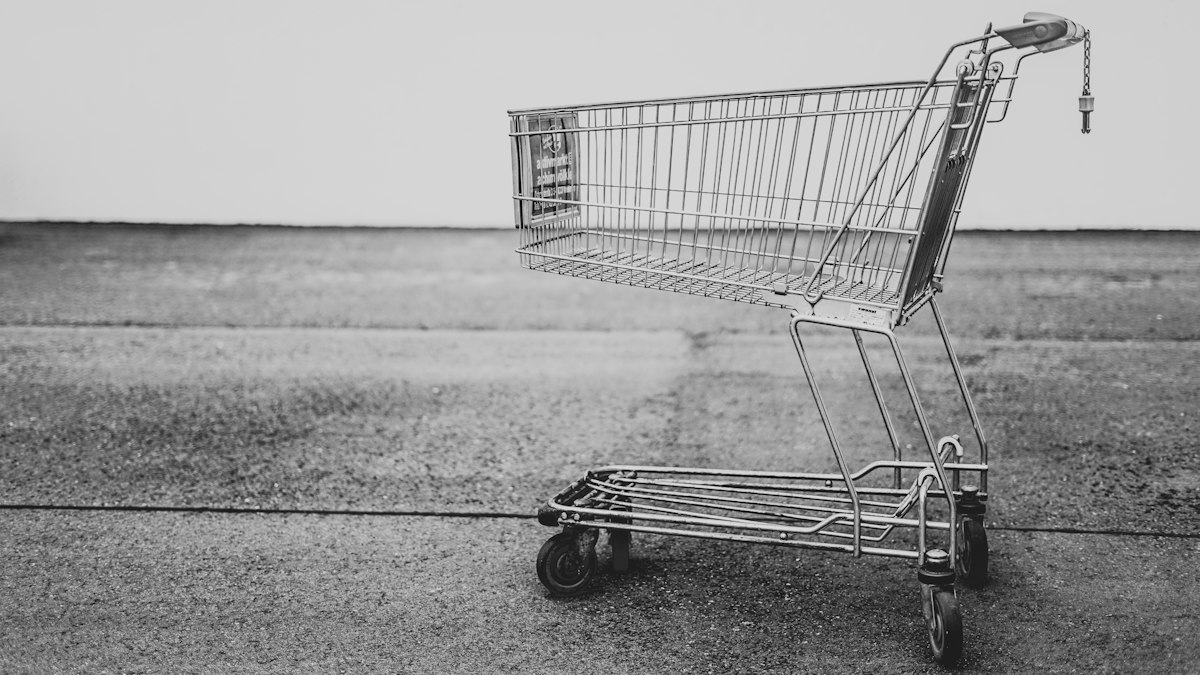
Around seven in every ten shopping carts on the average online shop are left behind before payment. Someone adds a product, gets as far as the checkout, then closes the tab. For a Cyprus shop selling €10,000 a month, that is roughly €20,000 of intended purchases walking out of the door every month. Some of those people were only browsing. A good share were not, and they can be brought back.
Why people abandon carts
Most abandonment has nothing to do with the product. The customer already wanted it. They left because of what happened at the checkout:
- A delivery cost that only appeared at the last step. This is the number one reason worldwide, and it stings more in Cyprus, where delivery to a village or across the island can add a noticeable amount.
- Being forced to create an account before paying.
- The payment method they wanted was missing, whether that is a Cypriot card through JCC, Revolut, Apple Pay or cash on delivery.
- Doubt. They were not sure about sizing, returns or delivery times, so they paused to "think about it".
- Life. The phone rang, the bus arrived, the baby woke up. No fault of yours, but the sale still stopped.
The first three are checkout design problems, which we covered in why Cyprus online shops lose sales at checkout. Fix those first. The last two are what recovery is for.
Step one: measure it
Before changing anything, find your own number. In Google Analytics 4, the Monetisation report shows how many sessions reached "begin checkout" against how many reached "purchase". Shopify, WooCommerce and most other platforms also keep an abandoned checkouts list, with the customer's email if they typed it. If you cannot see this figure, ask whoever built the shop to switch it on. Without it you cannot tell whether the fixes below are working.
Step two: the recovery email
If the customer typed their email address before leaving, you can remind them. This is the most reliable recovery tool there is, and most platforms include it for free. The sequence that works:
- First email, one hour later. Plain and friendly: "You left these in your basket", a photo of the products, one button back to the cart with the items still in it. No discount yet.
- Second email, 24 hours later. Answer the doubt. Mention free returns, delivery times to every district, or a line from a recent review.
- Third email at three days, only if needed. This is where a small incentive can go, such as free delivery. Never lead with a discount on day one, or regular customers learn to abandon on purpose.
Write these in the same voice as the rest of your shop, in Greek and English if your customers use both, and sign them with a real name. If your messages are not reaching the inbox at all, read our guide on why business emails land in spam first.
Step three: catch the ones who never typed an email
Most abandoners never reach the email field. Three things help here:
- Ask for the email first at checkout, before the address. Then even a half-finished checkout can be recovered.
- Retargeting ads. A small Meta or Google campaign showing the exact products someone viewed, capped at a few euros a day and running for seven days. Keep it short and polite; nobody likes being followed around for a month.
- WhatsApp, with permission. If a customer has opted in, a single message the next day converts better than any email in Cyprus. Never send it without opt-in. See WhatsApp Business as a sales channel.
Step four: remove the reason to leave
Recovery emails are the ambulance. Fixing the road matters more:
- Show the delivery cost on the product page and in the cart, not only at the end. A "free delivery over €50" bar that fills as items are added works well.
- Offer guest checkout.
- List every payment method you accept, with logos, next to the buy button.
- Put your returns policy and delivery time in one sentence on every product page. More on that in product pages that sell.
- Save the cart. If someone comes back tomorrow on their phone, the items should still be there.
What to expect
A well-built recovery sequence typically brings back 5 to 10 percent of abandoned carts. On the €20,000 example above, that is €1,000 to €2,000 a month from an afternoon's setup. Fixing the checkout itself usually adds more again. Check the numbers monthly, and have the sequence live before the busy season, especially before Black Friday, when carts are abandoned at the highest rate of the year.
If your shop has no abandonment figure, no recovery emails, or a checkout that hides delivery costs, our e-commerce team can set all three up. Get in touch with your monthly sales figure and we will tell you what you are likely leaving behind.
- e-commerce
- conversion
- email marketing
- online shops
- cyprus
Want this handled for you?
DigitalMove builds premium websites, ships AI systems and consultation, and runs SEO that compounds for Cyprus businesses. Tell us about your project — we reply within one business day.